 ToddlerBites
Easy toddler meals combine a protein or fat, a carbohydrate and a fruit or vegetable, in soft, bite-sized pieces: scrambled egg with toast fingers, banana oat pancakes, beans with rice and avocado, pasta with tomato sauce and peas. Offer three meals and two or three snacks a day, and include one food your toddler already likes.
What makes a good toddler meal?
| Part of the plate | Easy examples |
|---|---|
| Protein | Egg, beans, lentils, cheese, yogurt, chicken, fish, tofu |
| Carbohydrate | Oats, toast, pasta, rice, potato, pita, tortilla |
| Fruit or vegetable | Soft banana, berries (halved or quartered), mango, steamed broccoli, peas, avocado |
| Healthy fat | Avocado, olive oil, butter, full-fat yogurt, nut butter spread thinly |
Portions are small: roughly one tablespoon of each food per year of age, with more offered if they finish. Cut food to suit your child's age — see the choking hazards guide.
Toddler breakfast ideas
Breakfast is often the meal toddlers eat best. Pair a protein or fat with a carbohydrate — egg and toast, yogurt and oats, banana pancakes — so it lasts until snack time. More: 30 toddler breakfast ideas.
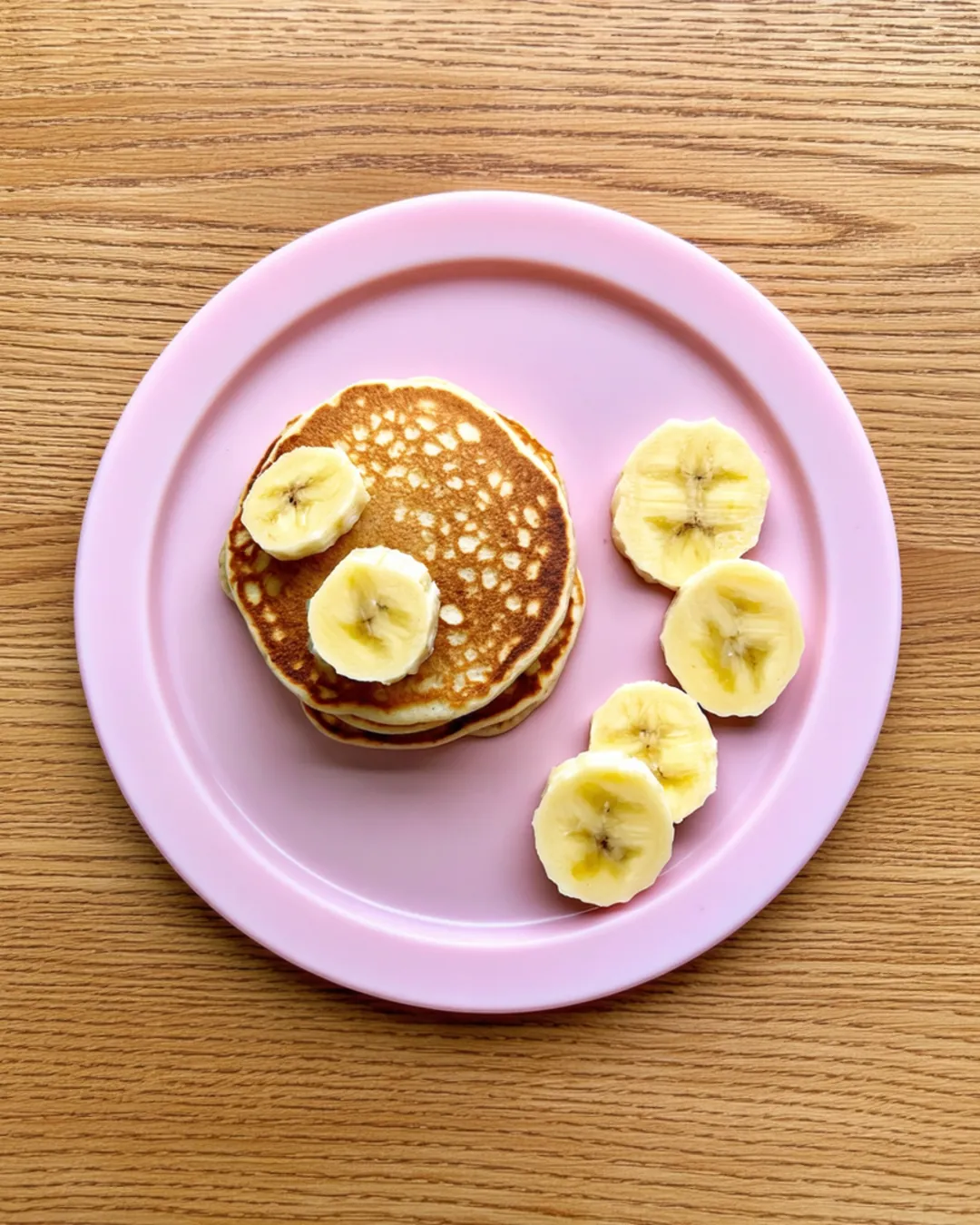
Banana Oat Pancakes
Soft, naturally sweet pancakes made with mashed banana and oats — no sugar added.
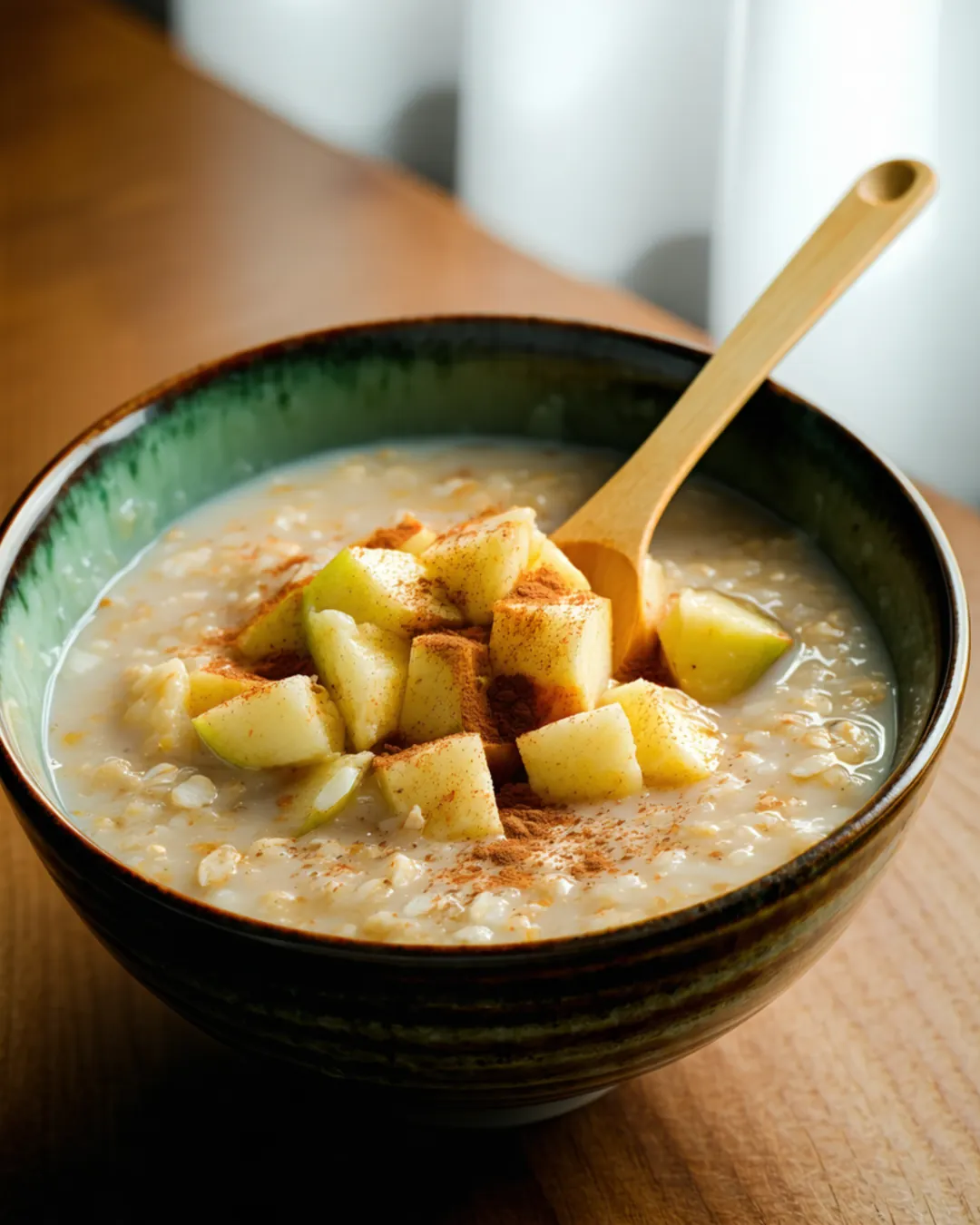
Apple Cinnamon Oatmeal
Warm, creamy oats with soft apple chunks and a whisper of cinnamon.
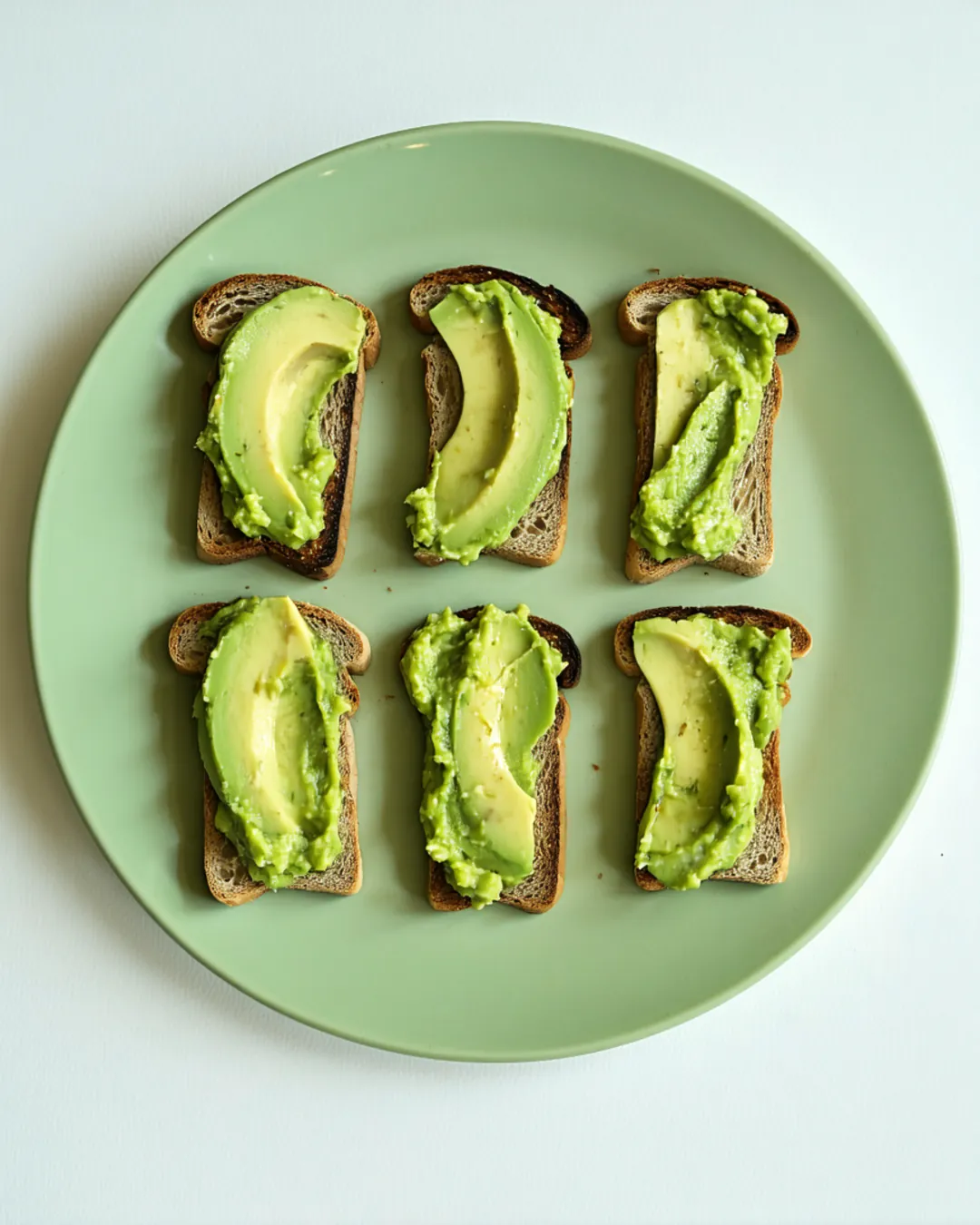
Avocado Toast Fingers
Creamy mashed avocado on soft toast, cut into strips — modern classic.
Toddler lunch ideas
Think small plates of three parts: something filling (pasta, rice, bread), a protein (beans, egg, cheese, chicken) and a fruit or vegetable. Many work cold for daycare. More: 40 toddler lunch ideas.
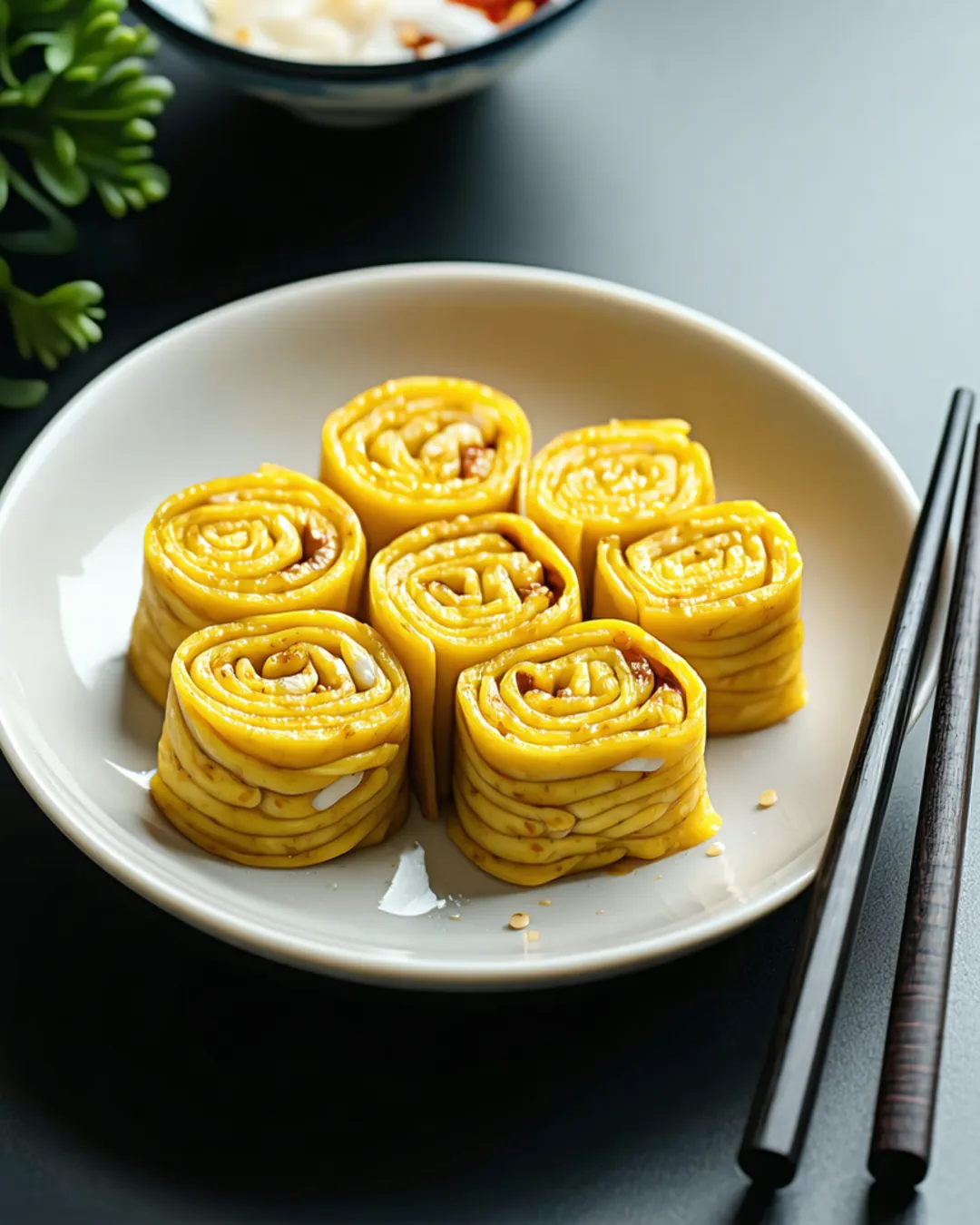
Tamagoyaki (Japanese Rolled Omelette)
Slightly sweet rolled egg layers — a Japanese bento staple, soft enough for tiny teeth.
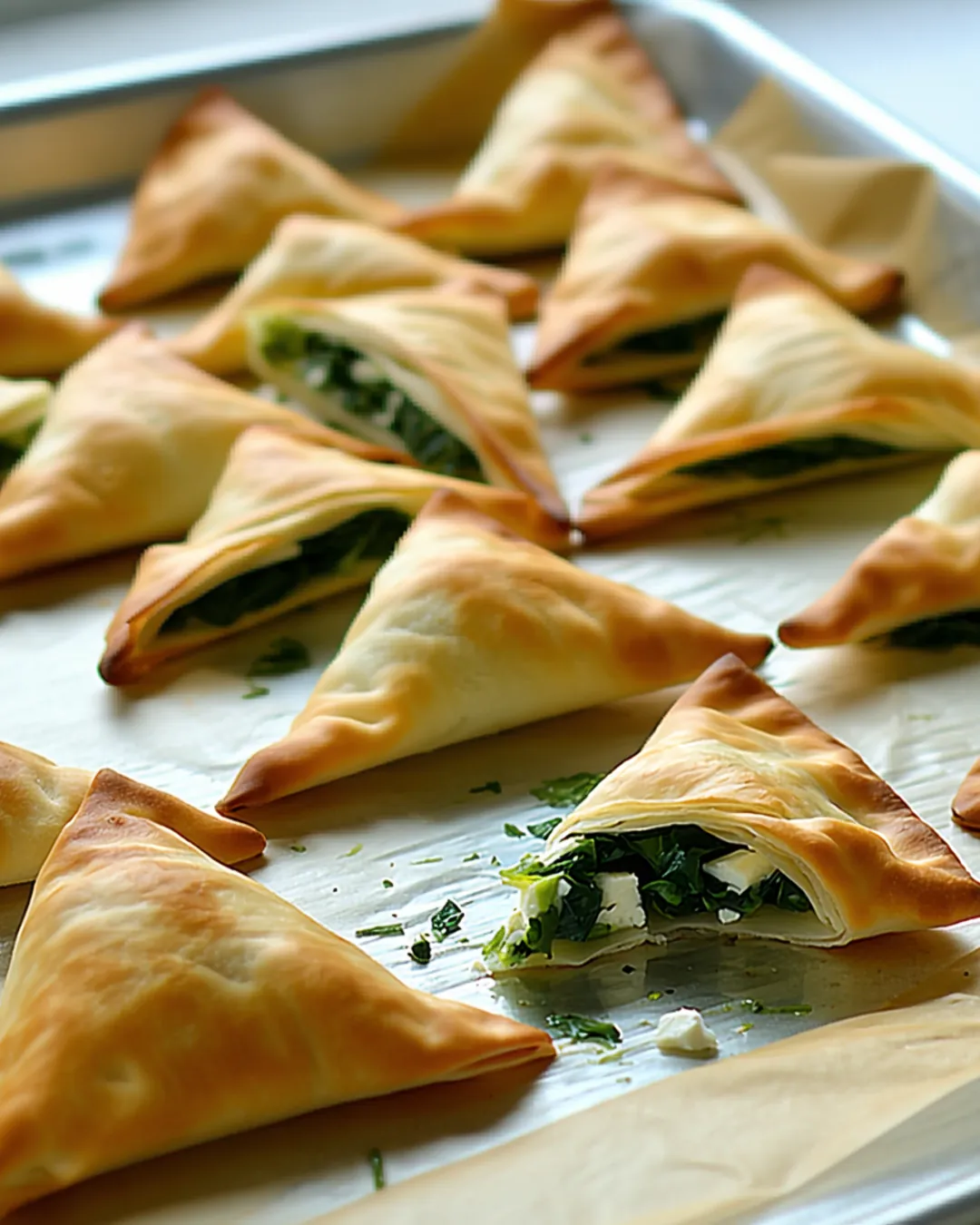
Mini Spinach & Feta Triangles
Tiny Greek spanakopita-style bites — flaky phyllo with creamy spinach inside.
Toddler dinner ideas
Cook one family meal and adapt it: serve the toddler's portion before adding salt or heat, cut it to suit their age, and include one food they already eat. More: 50 family dinner ideas.

Sweet Potato Fries
Soft-inside, crisp-outside oven fries — toddler finger food with vitamin A.
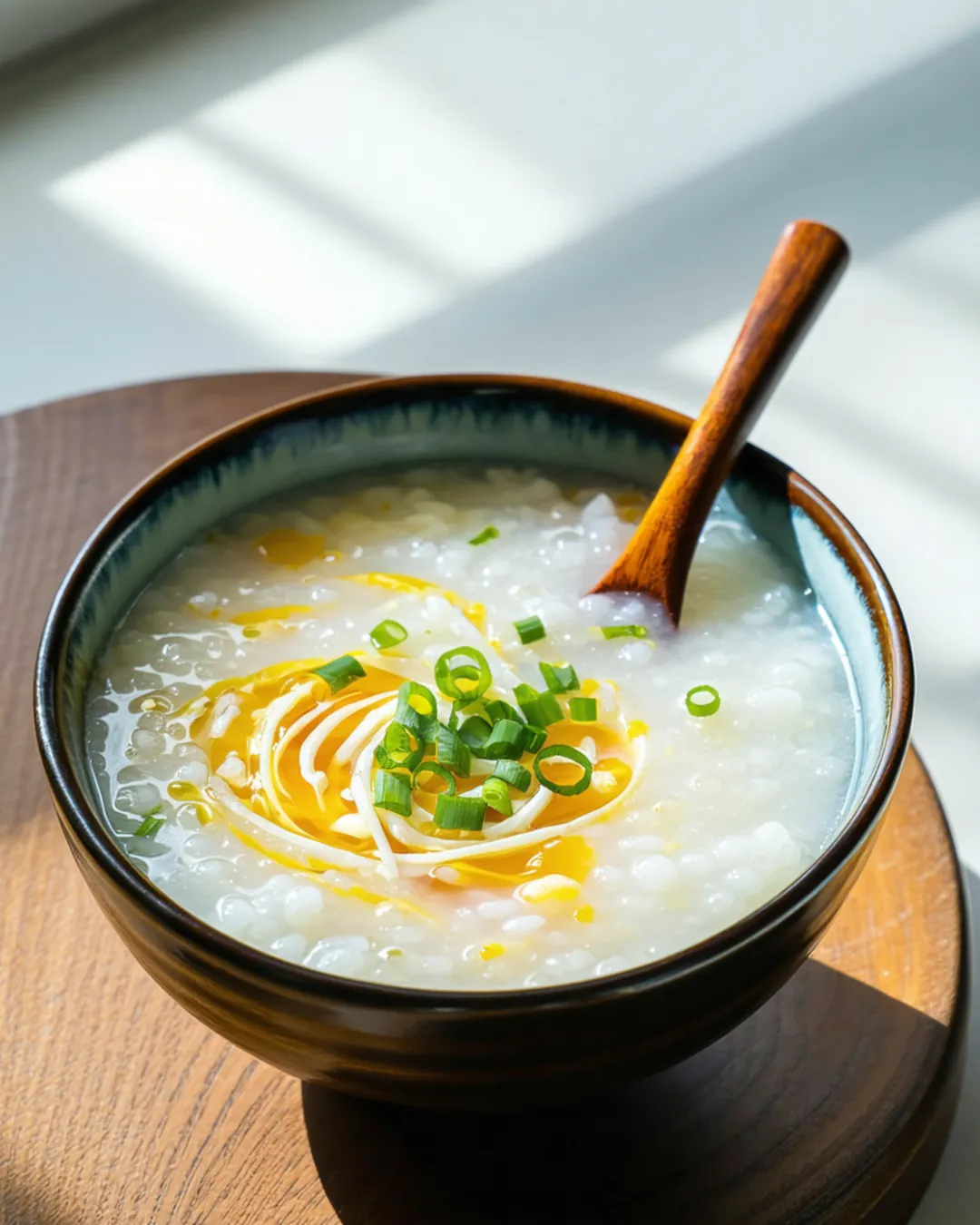
Tamago Okayu (Japanese Egg Porridge)
Silky rice porridge folded with a soft-set egg and a tiny drizzle of soy — a Japanese family breakfast.
Toddler snack ideas
Two or three planned snacks a day, with water in between, keep toddlers hungry enough for meals. Treat snacks as small meals, not rewards. More: 45 healthy toddler snacks.
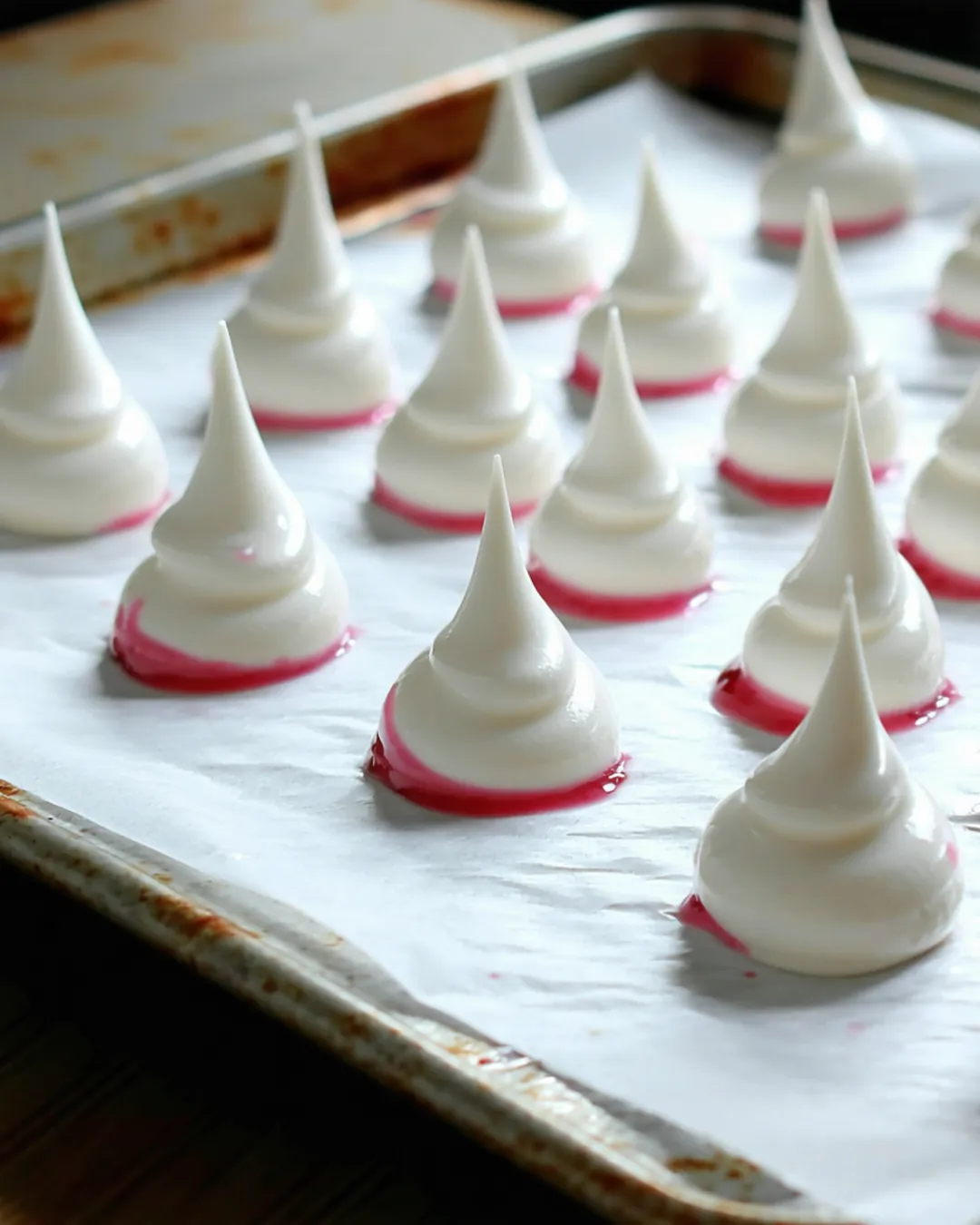
Frozen Yogurt Clouds
Tiny dollops of plain whole-milk yogurt with mashed berry — frozen for a teething-friendly snack.
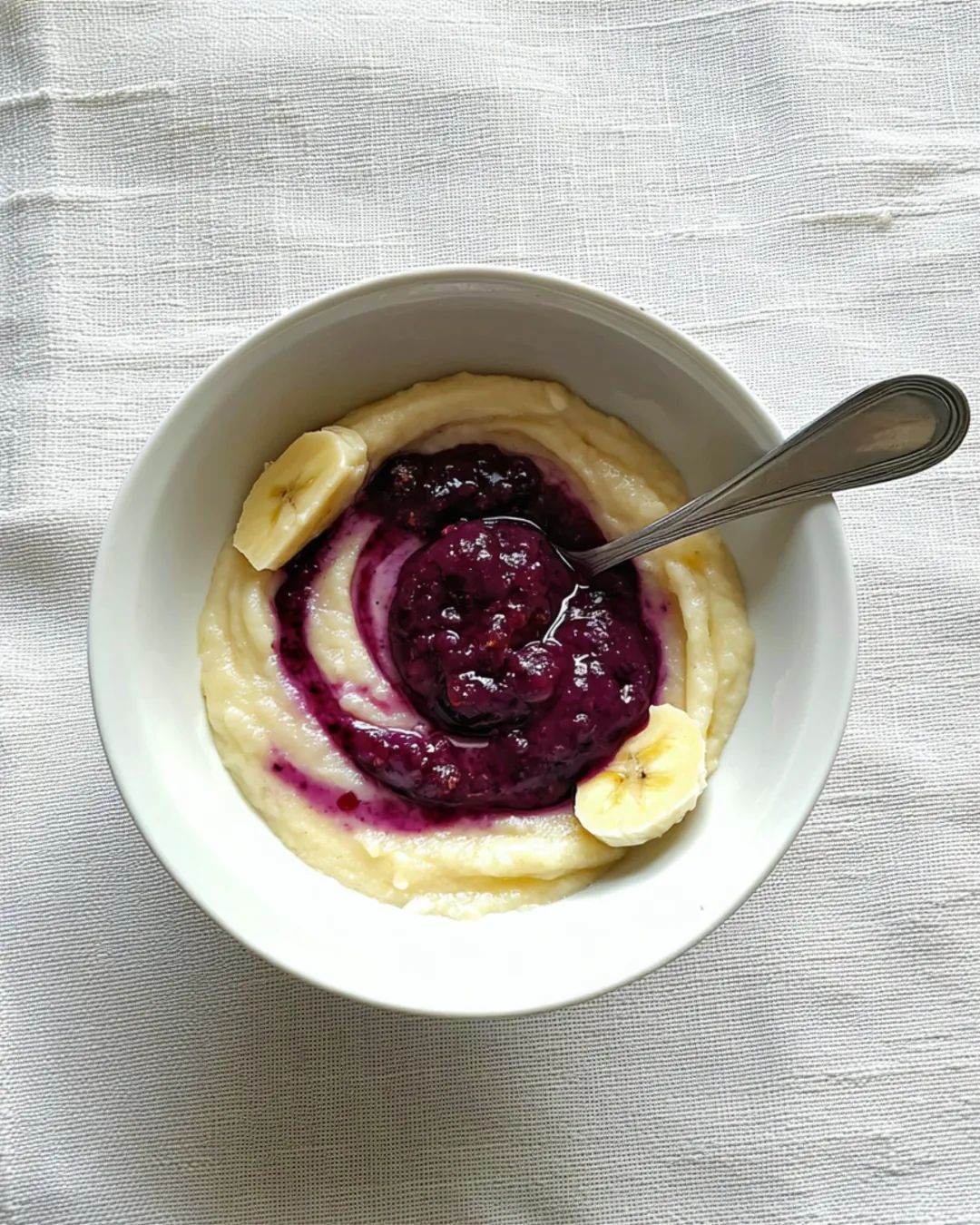
Blueberry Banana Smash
Soft mashed blueberries with ripe banana — antioxidant-packed and finger-food-friendly.
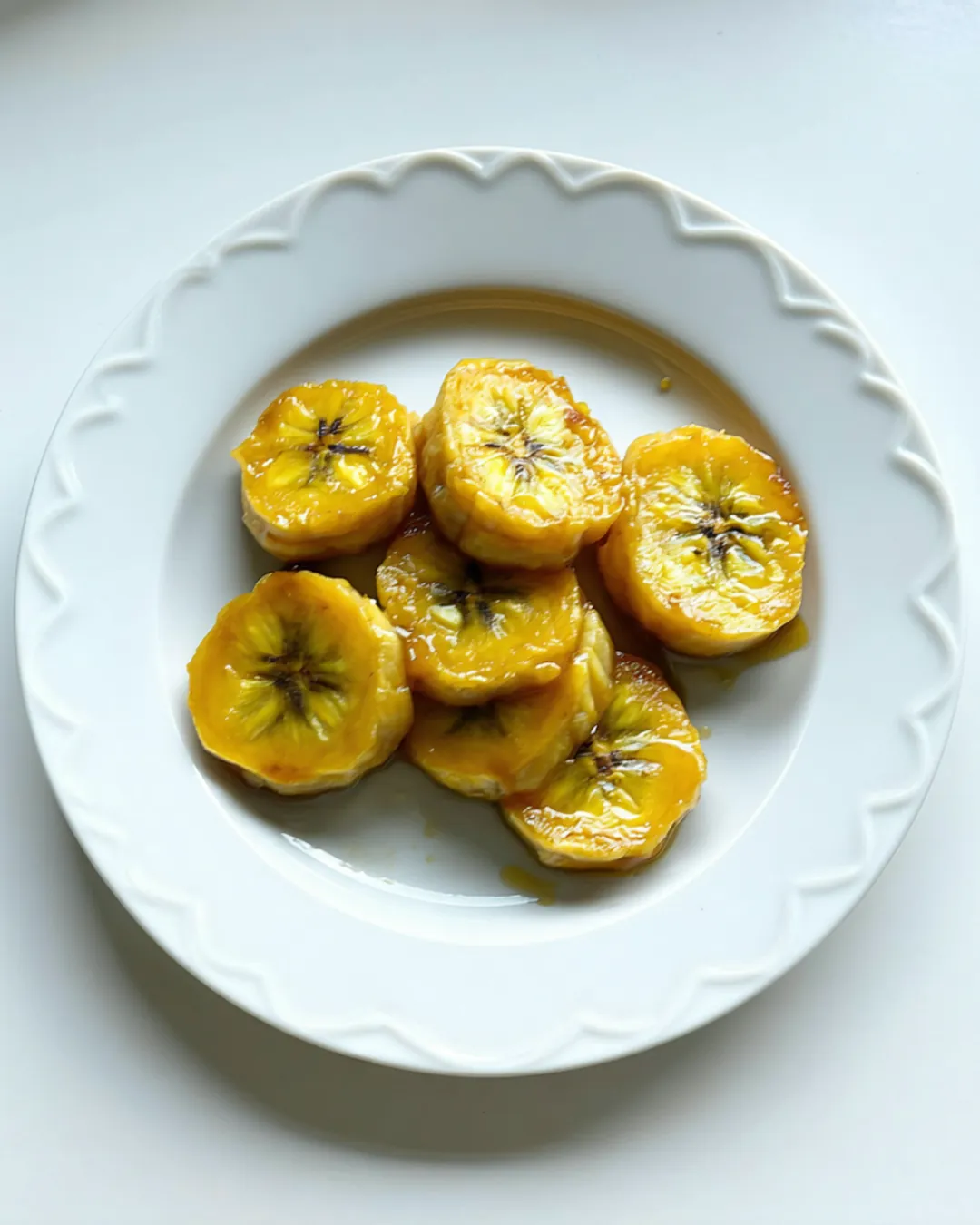
Sweet Plantain Rounds
Soft, caramelized plantain slices — naturally sweet, beloved across Latin America.
Meal ideas by age
- 6–12 months: baby food chart by month, 35 baby-led weaning first foods and pumpkin oat porridge.
- 1 year: portion sizes for a 1-year-old, how much milk and a free 7-day toddler meal plan.
- Picky eaters: 21 meals for picky toddlers and the picky eater test.
- Busy weeks: 32 meals in under 15 minutes and a two-hour Sunday meal prep.
All recipes: toddler recipes by age.
Meal ideas that fit your toddler
ToddlerBites suggests recipes filtered by your child's age, allergens and time, plans the week and logs what actually gets eaten.
Get ToddlerBites freeFrequently asked questions
How many meals a day does a toddler need?
Most toddlers do well with three meals and two or three planned snacks a day, offered at roughly regular times with water in between. Appetite varies a lot from day to day, so look at what they eat across a week.
What is a good toddler meal?
Pair a protein or fat with a carbohydrate and a fruit or vegetable — for example egg and toast with soft fruit, or beans, rice and avocado. Include one food your child already likes alongside anything new.
How much food does a toddler need at a meal?
A useful starting point is about one tablespoon of each food per year of age, then offer more if they finish it. See our guide to how much a 1-year-old should eat for portion sizes.
A note on this guide. General information, not medical advice. Children with allergies, medical conditions or feeding difficulties need an individual plan — talk to your pediatrician or health visitor.