 ToddlerBites
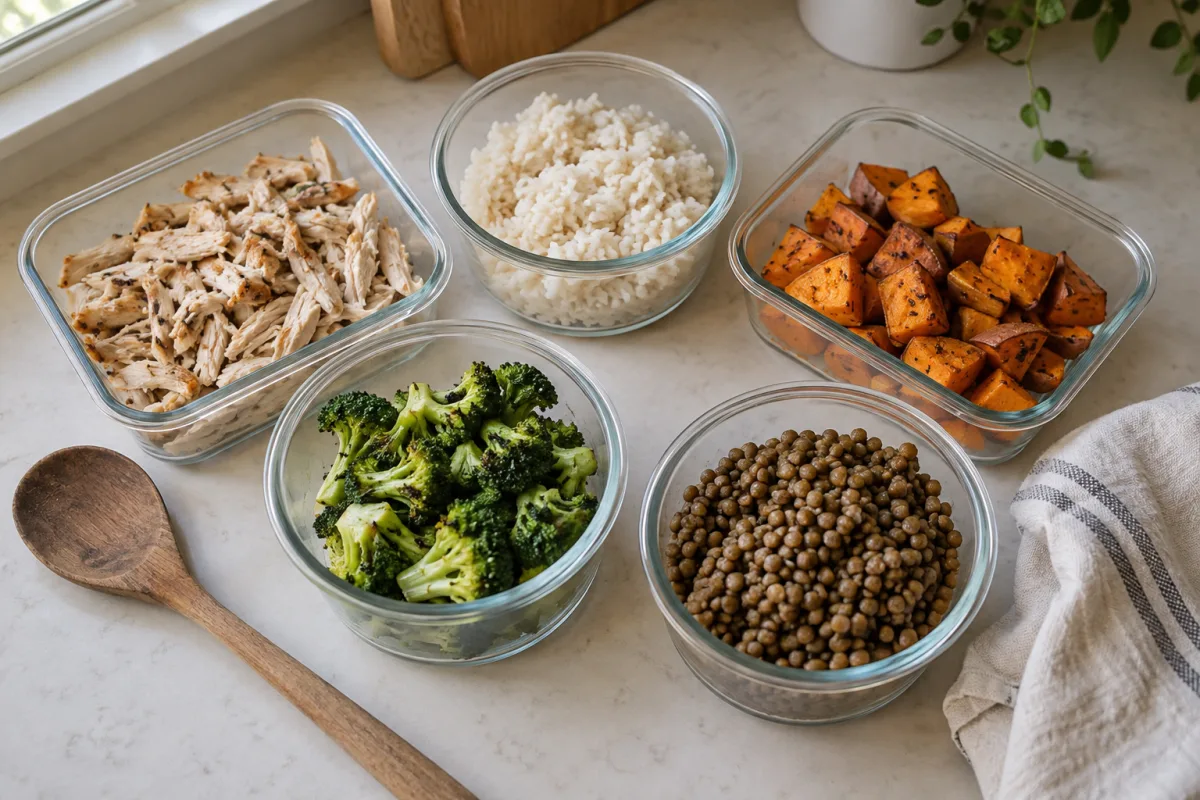
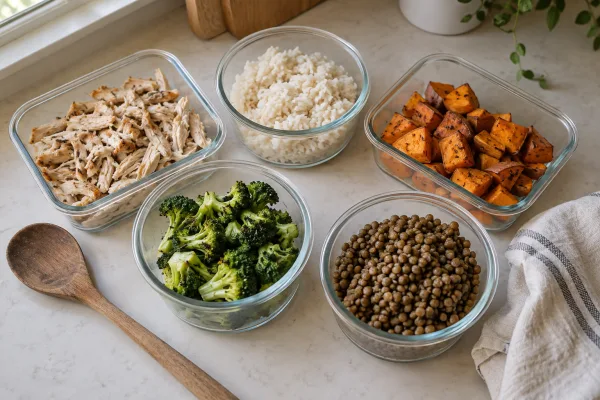
The single highest-value habit in toddler feeding is one meal, adapted — not a separate "children's dinner".
Three adjustments make almost any family meal toddler-safe:
- Hold the salt while cooking. Season at the table. This is the big one — infant and toddler kidneys handle salt poorly.
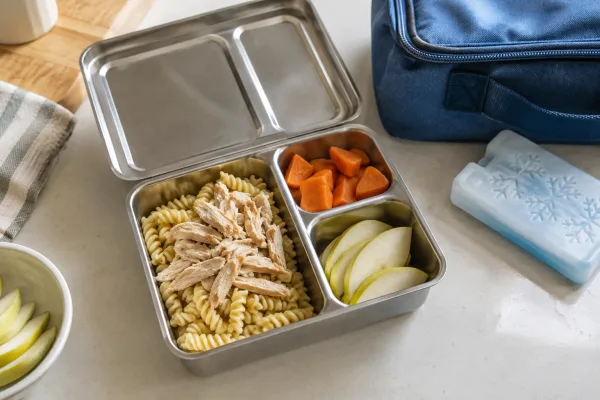
- Serve components separately. Deconstruct on their plate. Mixed food is much more often refused.
- Cut to a safe size for their age — finger strips under about 9 months, then smaller pieces.
Which toddler dinner ideas take under 15 minutes?
- Pasta with butter and parmesan
- Cheese quesadilla with beans
- Scrambled eggs on toast
- Fried rice with peas and egg
- Pesto pasta with peas
- Beans on toast with cheese
- Omelette with grated cheese
- Gnocchi with tomato sauce
- Couscous with roasted vegetables
- Tuna pasta with sweetcorn
- Noodle soup with shredded chicken
- Pitta pizzas
- Halloumi with couscous and cucumber
- Microwave jacket potato with beans
- Soft tacos, deconstructed
Under 30 minutes
- Spaghetti bolognese — reserve toddler portion before salting
- Salmon with mashed potato and peas
- Chicken stir-fry with soft noodles
- Sausage and mash with gravy
- Fish pie
- Chicken fajitas, deconstructed
- Turkey meatballs with pasta
- Vegetable curry, mild, with rice
- Risotto with peas
- Baked chicken thighs with roast vegetables
- Lentil dahl with rice
- Cottage pie
- Mac and cheese with broccoli
- Chicken and vegetable noodles
- Frittata with potato and spinach
- Pork meatballs with couscous
- Baked cod with new potatoes
- Sweet potato and chickpea stew
- Tomato and mascarpone pasta
- Chicken quesadilla with guacamole
Batch and freezer meals
- Bolognese — freezes perfectly, portion before seasoning
- Cottage pie in individual dishes
- Chicken casserole
- Lentil soup
- Meatballs in tomato sauce
- Vegetable and bean chilli, mild
- Mac and cheese portions
- Fish cakes
- Chicken and vegetable pie
- Sweet potato and lentil curry
No-cook dinners
These count. On a bad evening they are the difference between dinner and no dinner.
- Snack-plate dinner — cheese, crackers, cucumber, hummus, fruit
- Cold pasta salad
- Sandwich with soup from a carton
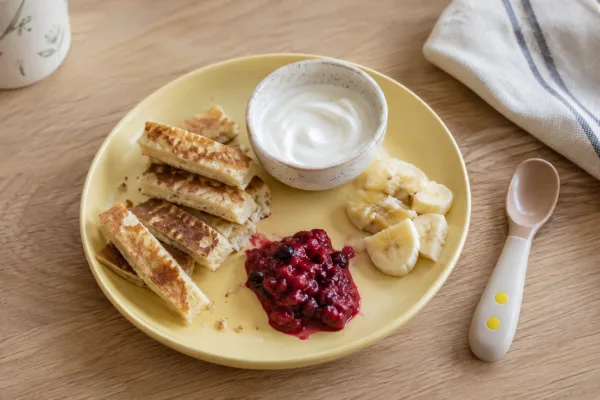
- Yoghurt, fruit, and toast
- Cereal with milk and banana — occasionally, and without guilt
A week of dinners, planned in seconds
ToddlerBites builds a weekly plan around your child's age and allergies, learns which meals actually get finished, and writes the shopping list for you.
Get ToddlerBites freeAdapting an adult meal: the checklist
| Watch for | Adaptation |
|---|---|
| Salt and stock cubes | Portion out before seasoning; use low-salt stock |
| Chilli and hot spice | Split the pan before adding heat; mild herbs are fine |
| Whole nuts or seeds | Remove, or blend into the sauce |
| Large chunks of meat | Shred along the grain |
| Round vegetables and fruit | Quarter lengthways |
| Honey (under 12 months) | Omit entirely, including baked in |
| Very hot food | Test on your own lip, not just your finger |
⚠️ Dinner-time safety
- Always seated upright, never eating on the move
- Always supervised — no exceptions for one quick task
- Quarter grapes and cherry tomatoes lengthways under 4
- No whole nuts or popcorn under 4
- Check temperature in the middle, especially after microwaving
If dinner is the meal that reliably goes wrong, meals for picky eaters covers the safe-food-anchor approach, and easy toddler meals has the fastest options.
Frequently asked questions
Can toddlers eat the same dinner as adults?
Usually yes. Cook one family meal, then adapt the toddler's serving by cutting it to a safe size, keeping components separate when helpful, and adding adult salt or heat after the child's portion is removed. This avoids preparing a second dinner while keeping the meal age appropriate.
What is a quick balanced toddler dinner?
Use a simple three-part plate: one protein, one carbohydrate, and one fruit or vegetable. Scrambled egg with toast and tomato, beans with rice and avocado, or yoghurt with oats and fruit can all be balanced dinners without requiring a long recipe.
How can I reduce salt in a family dinner for a toddler?
Cook with less salt, use lower-sodium ingredients where practical, and season adult portions at the table. Bread, cheese, sauces, and stock can already contribute salt, so the goal is to consider the whole meal rather than treating one ingredient in isolation.
Is a no-cook meal a proper toddler dinner?
Yes. A no-cook plate can still provide protein, carbohydrate, and produce. Cheese, crackers, and cucumber or yoghurt, oats, and fruit are complete combinations. Nutritional balance does not depend on whether the food was cooked immediately before serving.
A note on this guide. This article is general information, not medical advice. Every child is different, and children with medical conditions, developmental differences, or feeding difficulties need an individual plan. Always talk to your pediatrician or health visitor about your own child.