 ToddlerBites
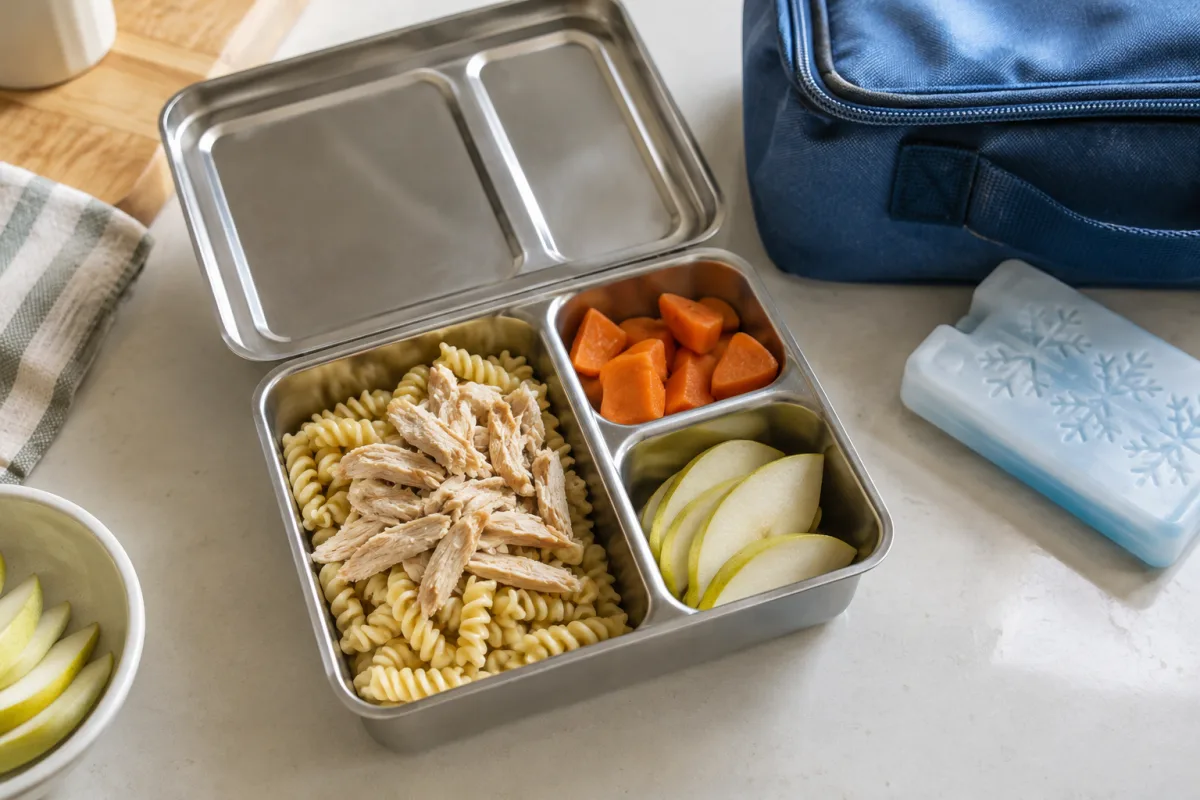
The hard part of a daycare lunch is often everything around the food: finding the lid, remembering the spoon, and working out whether the lunch will go straight into a fridge. Treat packing as a short handoff to the adult who will serve it.
This checklist is for families packing toddler lunches. It is not a feeding plan for infants or a substitute for your child’s individual care instructions.
Ask daycare these questions first
- Which foods or ingredients are restricted, and how are allergy instructions shared?
- Where does lunch go at drop-off, and when is refrigeration available?
- Will staff reheat food, open containers, or help with utensils?
- How should the child’s name and date appear on the lunch?
- What happens to uneaten food, and how are meal updates sent home?
Write the answers somewhere the person packing can find them. Center policies differ. A container that works at home may be inconvenient in a room where several children need help at once.
Make a repeatable packing list
Choose a few lunches that fit your family and the center’s rules. Use the same bag setup when possible: food containers in one place, utensils and napkin together, and the child’s name visible without opening everything.
- Food checked against the center’s rules and your child’s care plan.
- Preparation and textures checked for your child.
- Clean containers with matching lids.
- Name and date labels.
- Utensil, napkin, and any requested cup.
- Cold sources and an insulated bag for perishable food.
- A short note if something is different today.
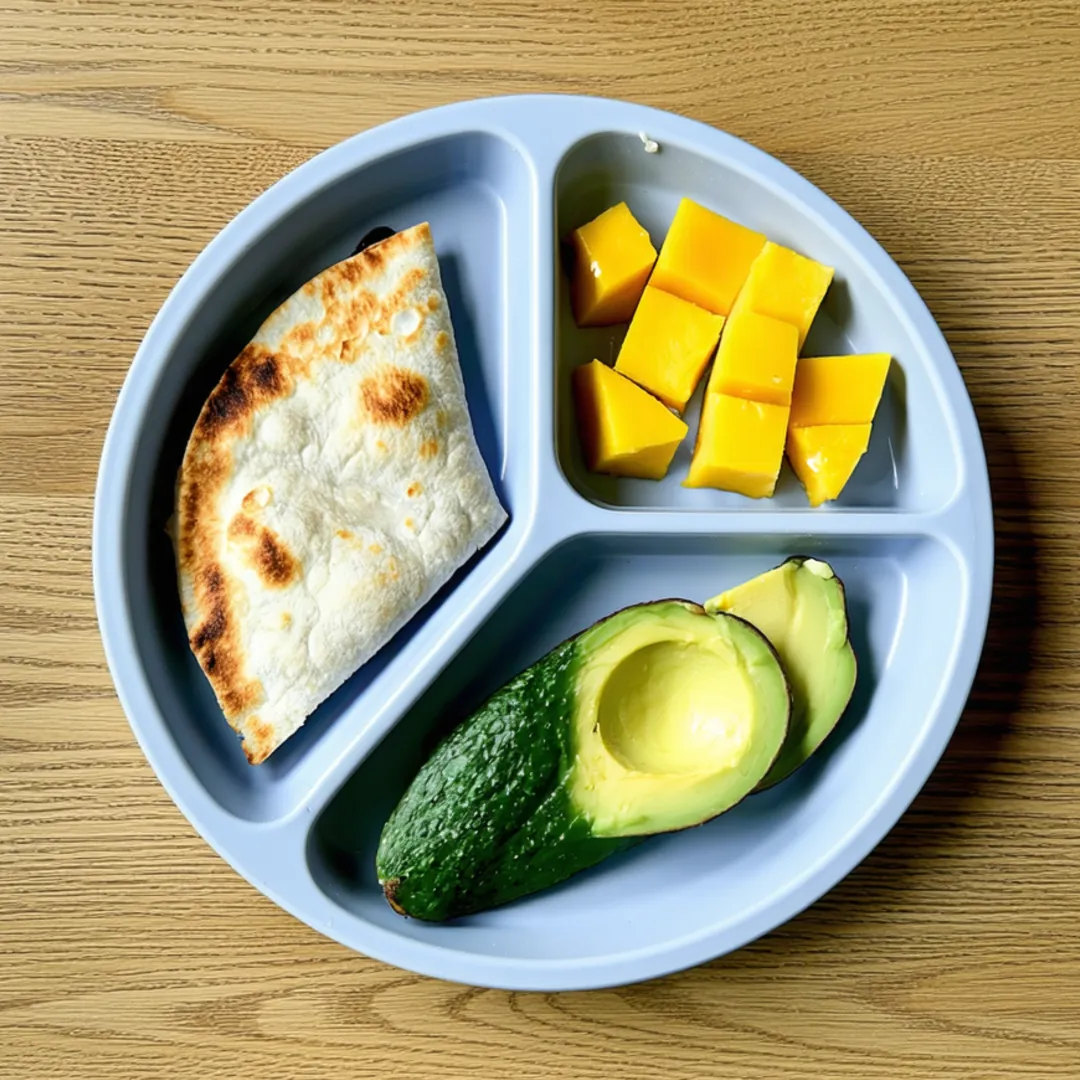
For menu inspiration, use our toddler lunch ideas. Choose foods your child can manage, and agree on any special preparation with staff rather than expecting them to adapt the food at the table.
Keep perishable lunches cold
USDA recommends an insulated lunch bag with at least two cold sources for perishable food. Keep prepared food refrigerated until packing, then refrigerate it on arrival when a fridge is available. Perishables should not sit at room temperature for more than two hours, or one hour above 90°F / 32°C. USDA’s guidance for packed lunches explains cold storage and handling.
An ice pack is part of the plan, not proof that food stayed cold all day. Confirm the actual drop-off and storage routine with the center. For returned perishables with uncertain storage, do not assume they are suitable for another meal.
Split the work between evening and morning
| The evening before | Before leaving |
|---|---|
| Choose the lunch and check ingredients. | Check whether anything about today’s plan changed. |
| Find clean containers, labels, and utensils. | Pack chilled food and frozen cold sources. |
| Place tomorrow’s supplies together. | Check the name label and close the bag. |
| Write any handoff question. | Tell the receiving adult about important changes. |
This division is a suggested household routine, not a requirement. If you pack entirely in the morning, keep the list short enough to scan while getting out the door.
Use pickup to improve tomorrow’s lunch
Ask what was offered and what staff observed. Did the container leak? Was a utensil missing? Did the food stay in separate compartments? A practical answer can help more than asking whether the lunch was “good.”
Record one useful note in your meal log. Repeat what worked instead of rebuilding the menu each day. ToddlerBites can help keep your meal ideas and recorded meals together; the daycare’s own procedures still determine how food is handled and updates are shared.
A little help for your next meal.
Explore the app, a free meal plan, and practical guides for your family.
Find your starting pointGeneral information, not individualized medical advice. Follow your child’s care plan and speak with their clinician about feeding or growth concerns. Examples and templates on this page are illustrative.